Why Electrical Safety Matters on Every Construction Site
May 28, 2026
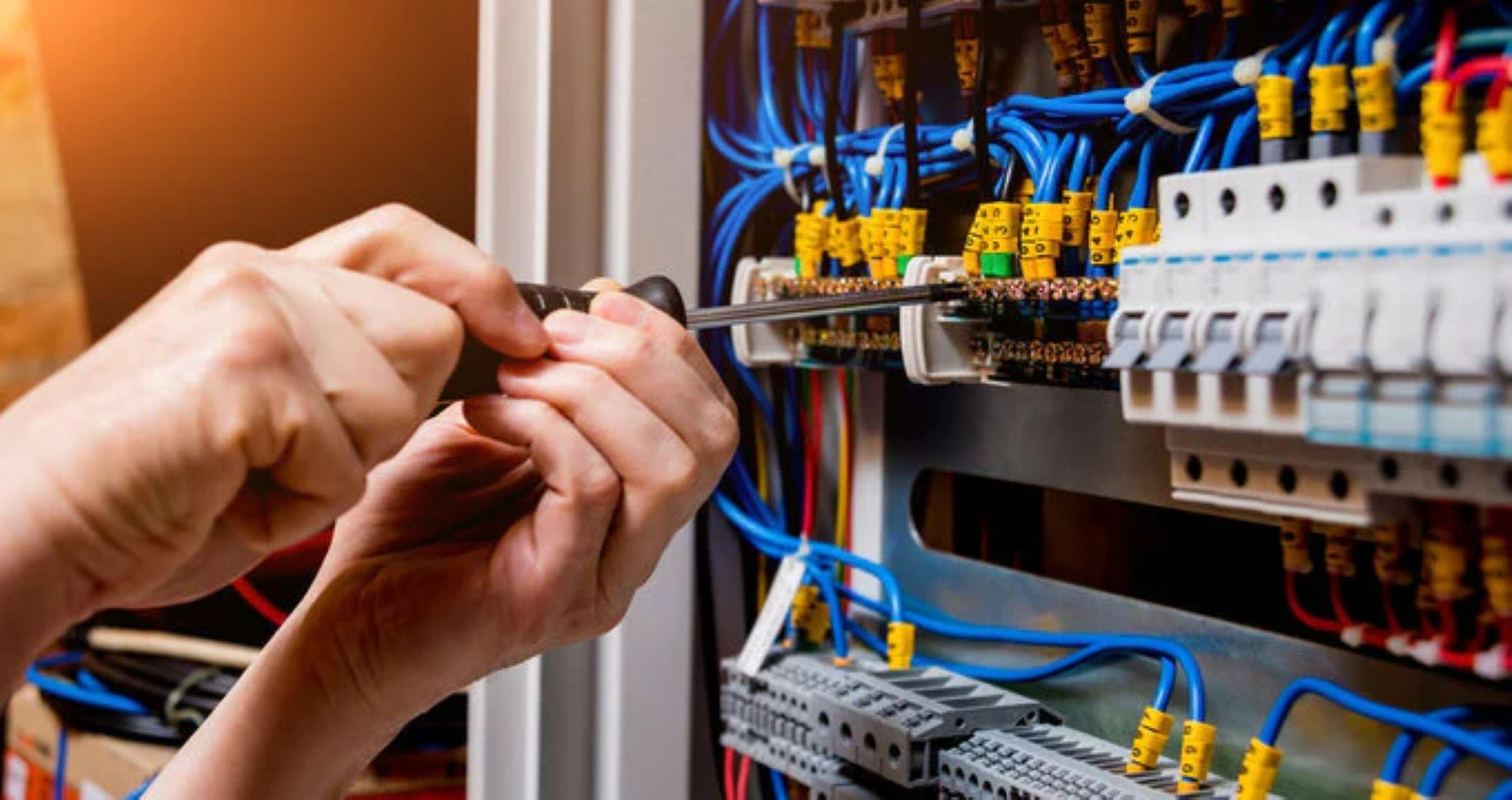
Construction sites move fast. Workers handle tools, heavy equipment, wiring systems, and power sources every day. In this type of environment, one electrical mistake can stop an entire project or injure someone in seconds. That is why electrical safety deserves attention from the first day of a project until the final inspection.
Many people think electrical accidents only happen during large industrial jobs. The truth looks different. Small mistakes during simple tasks often create serious problems. A damaged extension cord, exposed wiring, overloaded circuits, or poor grounding can lead to burns, shocks, fires, and equipment failure.
You cannot control every risk on a construction site, but you can lower the chances of accidents by making electrical safety part of daily work.
Electrical Hazards Exist on Every Job Site
Every construction project uses electricity in some form. Workers power drills, saws, lighting systems, compressors, lifts, and temporary site offices. Some projects also involve underground wiring, temporary panels, or unfinished electrical systems.
This creates many chances for danger.
A worker may cut into a live wire while drilling through a wall. Someone may step into standing water near exposed cords. A damaged power tool may send current through a metal surface. These situations happen more often than people expect.
The Electrical Safety Foundation International reported that construction workers face one of the highest risks of electrical injuries compared to many other industries. Electrocution remains one of the leading causes of death on construction sites.
Most of these incidents share one thing in common. Someone ignored a basic safety step.
Small Safety Checks Prevent Serious Problems
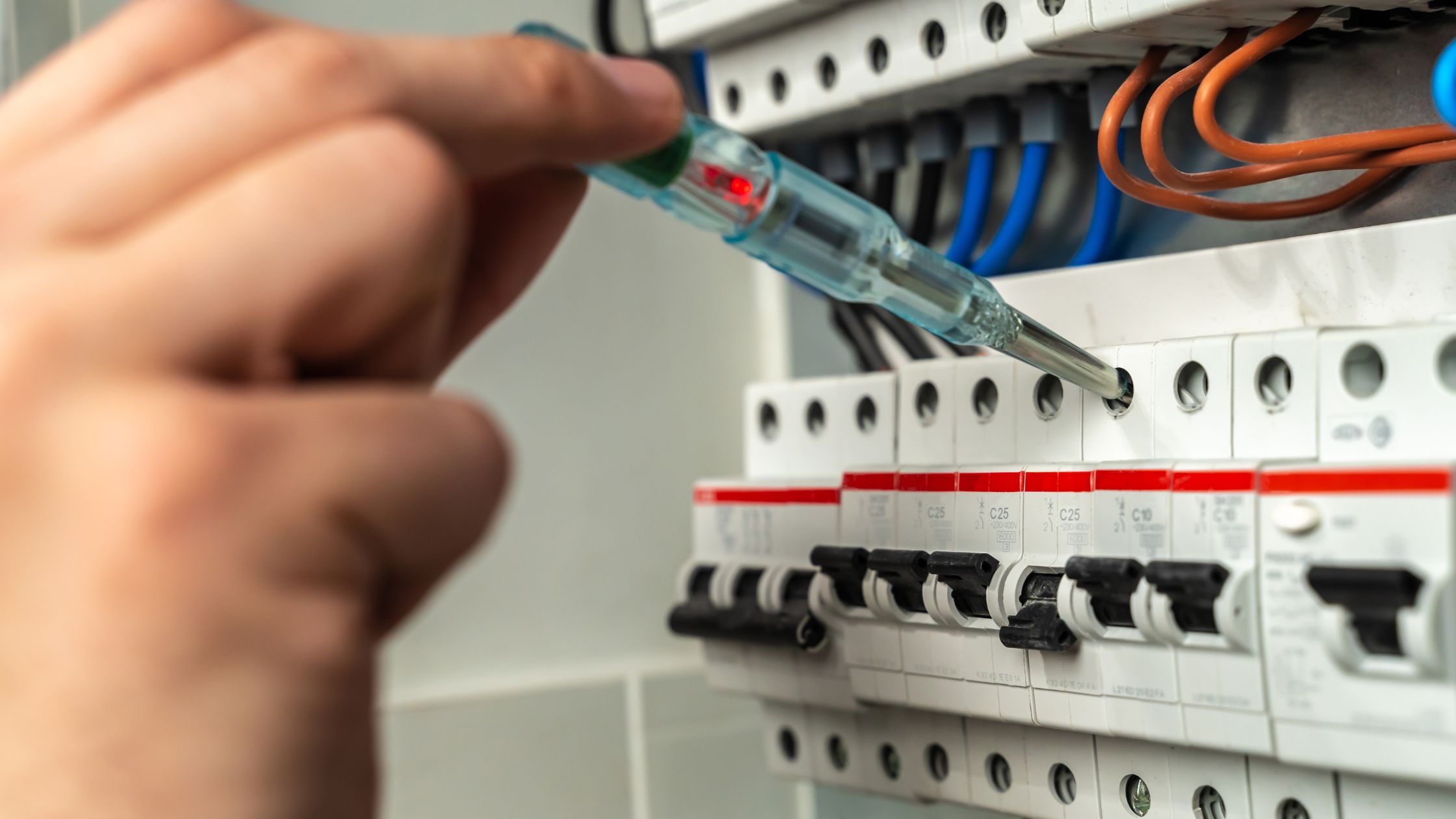
Simple inspections often stop accidents before they happen. Before using tools or equipment, workers should check cords, plugs, and outlets for damage. Frayed wires, cracked insulation, or loose connections should never stay in service.
One contractor shared a story about a temporary lighting setup on a renovation project. A worker noticed a damaged extension cord near a wet area. The crew replaced the cord before work started that morning. Later that day, water leaked into the same location after heavy rain. That quick inspection may have prevented a serious shock incident.
These checks take only a few minutes, yet they protect workers and equipment.
You should also keep electrical panels easy to access. Blocked panels slow response times during emergencies. Labeling circuits clearly also helps crews work safely during repairs and shutdowns.
Training Helps Workers Make Better Decisions
Workers need more than tools and equipment. They also need proper training.
A trained worker knows how to identify electrical hazards before touching equipment. They understand lockout and tagout procedures, grounding methods, and safe distances from live systems.
Training should not happen once and disappear. Construction sites change every week. New crews arrive. Equipment moves. Temporary systems change locations. Regular safety meetings help workers stay alert.
One project manager in New York started holding short morning electrical safety talks twice a week. The meetings lasted less than ten minutes. Workers discussed damaged cords, overloaded outlets, and recent site hazards. Over the next year, the company reduced electrical incidents across several projects.
Clear communication changes how people respond to risks.
Water and Electricity Create Serious Danger
Construction sites often deal with wet conditions. Rain, leaks, mud, and standing water increase the chance of electrical shock.
You should never ignore water near power sources. Workers must keep cords away from puddles and wet surfaces whenever possible. Ground Fault Circuit Interrupters, also called GFCIs, add another layer of protection. These devices shut off power when they detect abnormal current flow.
Many contractors now require GFCIs on temporary power setups because they lower injury risks on active job sites.
A roofing crew once experienced repeated power tool shutdowns during wet weather. At first, workers complained about delays. Later inspection showed moisture entering one of the temporary power connections. The shutdowns likely prevented a dangerous shock event.
Electrical systems react quickly to moisture. Workers must react quickly too.
Poor Planning Often Leads to Electrical Accidents
Many electrical accidents happen because crews rush work or skip planning.
For example, overloaded circuits create heat buildup inside wiring systems. This can lead to fires behind walls or inside temporary structures. When crews add equipment without checking power capacity, the risk grows fast.
Planning power distribution before work starts helps prevent these problems. Site supervisors should know how much power equipment requires and where temporary systems should go.
You should also separate electrical work areas from heavy traffic zones. Vehicles, ladders, and moving materials often damage cords and temporary wiring.
One construction company changed the layout of its temporary power stations after several cords became damaged by forklifts. The new setup reduced equipment damage and lowered replacement costs during the project.
Safety planning protects both workers and project schedules.
Personal Protective Equipment Matters
Protective gear plays a major role in electrical safety. Workers handling electrical systems should wear insulated gloves, proper footwear, eye protection, and flame resistant clothing when needed.
Some workers skip protective equipment because they believe a task will take only a few minutes. Many accidents happen during short jobs that seem harmless.
A licensed electrician once suffered hand burns while testing a panel without proper gloves. The task lasted less than five minutes. Recovery took several weeks.
Protective gear works best when workers use it every time, not only during large tasks.
Strong Safety Habits Build Better Work Sites
Electrical safety affects every person on a construction site. One mistake can injure workers, delay schedules, damage equipment, and increase costs. Good safety habits create smoother projects and safer working conditions.
You build safer job sites through inspections, training, planning, communication, and proper equipment use. These actions may seem simple, but they reduce risks every day.
Construction work already carries enough challenges. Electrical hazards should never become one more problem crews ignore.